Mining Cataclysm Guide: An Overview
This guide navigates the complexities of mining, addressing hardware, software, and troubleshooting for optimal performance. It draws upon community resources and current data,
including insights from MiningClub.info and mining-center, to provide a comprehensive understanding of the mining landscape as of March 16, 2026.
The term “Mining Cataclysm” refers to the challenges and disruptions experienced within the cryptocurrency mining sector. These issues range from hardware failures – specifically chain breaks detected on chain 0, as reported on December 3, 2024 – to software glitches like “Could not read register” errors (observed September 12, 2024).
This guide aims to demystify these complexities, offering solutions for common problems encountered with hardware like the RX 470 Sapphire Nitro (discussed December 23, 2024) and ASIC miners such as the M31S (November 13, 2025).
We’ll explore optimization techniques, drawing on experiences shared within communities like MiningClub.info, and address the importance of sustainable practices, acknowledging mining’s role in raw material supply, as highlighted on October 1, 2025.
What is Mining Cataclysm?
“Mining Cataclysm” encapsulates a confluence of factors impacting mining profitability and stability. It’s not a single event, but rather a period marked by increased hardware fragility, software inconsistencies, and evolving network dynamics. Reports from December 2, 2016, and November 28, 2017, highlight early concerns with GPU performance – specifically comparisons between RX 580 Armor 8GB and RX 470 4G.
More recently, issues like chain break detections (December 3, 2024) and register read errors (September 12, 2024) demonstrate ongoing challenges. These problems often necessitate BIOS flashing (December 23, 2024) and careful hardware configuration, particularly with devices sourced from platforms like mining-center (May 17, 2024).
Ultimately, “Mining Cataclysm” signifies a heightened need for proactive monitoring, troubleshooting, and community support, as found on MiningClub.info.
Historical Context of Mining Issues
Mining difficulties aren’t new; they’ve evolved alongside hardware and software. Early issues, dating back to November 2012, centered on hardware sourcing and reliability, as evidenced by discussions regarding mining-center. The emergence of RX 500 series cards in 2016 (December 2, 2016) brought new performance considerations, prompting comparisons between models like the Sapphire RX470 4G and RX 580 Armor 8GB.
Later, in 2017 (November 28, 2017), community forums like MiningClub.info began documenting more complex problems. Recent reports (October 1, 2025, and December 3, 2024) reveal persistent challenges with chain stability and hardware errors, specifically “could not read register” issues and chain break detections.
This historical trajectory demonstrates a continuous cycle of adaptation and troubleshooting within the mining community.
Hardware Considerations
Selecting the right hardware is crucial for mining success. This section details GPU choices like the RX 470 and ASIC miners (M31S), alongside essential BIOS configurations.
GPU Selection for Mining
Choosing the optimal GPU is paramount for efficient mining. The RX 470 Sapphire Nitro and RX 580 Armor 8GB are frequently compared, with considerations revolving around memory size (4GB vs 8GB) and UEFI compatibility. Discussions from November 2017 highlight the RX 500 Sapphire RX470 4G versus the RX 580 ARMOR 8GB, emphasizing the importance of BIOS flashing for optimal performance, particularly with elpida and hunix memory chips.
A key consideration is the potential for BIOS modification, as seen with the Sapphire Nitro, to enhance mining capabilities. Understanding the device ID (as of December 23, 2024) is vital when selecting the correct BIOS version for flashing. Careful evaluation of these factors will maximize hash rate and overall profitability.
RX 470 Sapphire Nitro: A Case Study
The RX 470 Sapphire Nitro presents a compelling case study due to its modding potential. Users frequently seek to re-flash the original BIOS to optimize mining performance, as highlighted by a query from December 23, 2024, regarding BIOS identification. This GPU’s popularity stems from its affordability and relative efficiency, making it a common choice for entry-level miners.
However, successful operation often requires careful BIOS management. Identifying the correct BIOS version is crucial, and compatibility with different memory types (like elpida) impacts stability. Troubleshooting often involves addressing frequency and clock speed settings to maximize hash rate while maintaining thermal stability. The Sapphire Nitro’s UEFI is a key factor in these modifications.
RX 580 Armor 8GB vs RX 470 4G
Comparing the RX 580 Armor 8GB and RX 470 4G reveals trade-offs for miners. A discussion from November 28, 2017, highlights a direct comparison, focusing on UEFI compatibility and memory chip variations (hunix vs. elpida). The RX 580, with its larger 8GB memory capacity, generally offers higher hash rates and broader algorithm support, making it more versatile.
However, the RX 470 remains a viable option due to its lower cost and power consumption. The choice depends on budget and mining goals. Both cards benefit from BIOS modifications for optimal performance, but the RX 580’s increased memory can provide a significant advantage in certain mining scenarios, justifying the higher initial investment.
ASIC Miner Setup (M31S)
Setting up an M31S ASIC miner requires careful attention to detail, especially for beginners; A user’s experience from November 13, 2025, illustrates the initial setup process, emphasizing the importance of watching introductory YouTube tutorials. Initial steps involve physically connecting the miner to power and network, followed by configuring the miner’s software interface.
This typically involves accessing the miner’s web panel via a web browser and inputting pool details (URL, worker name, and password). Correct configuration is crucial for the miner to connect to the mining pool and begin hashing. Troubleshooting connection issues is common, often requiring verification of network settings and pool credentials.
UEFI and BIOS Configuration
Optimizing UEFI and BIOS settings is critical for maximizing mining efficiency and stability, particularly with GPUs like the RX 470 Sapphire Nitro. A user’s query from December 23, 2024, highlights the challenge of finding the correct BIOS to flash, emphasizing the need for precise identification – utilizing the GPU-Z device ID is crucial. Flashing the BIOS can resolve compatibility issues or unlock enhanced performance.
However, incorrect BIOS flashing can render the card unusable, so caution is paramount. Understanding the differences between UEFI and BIOS versions (like elpida vs. hunix, as seen in a 2016 comparison) is essential. Backing up the original BIOS before any modifications is strongly recommended as a safety measure.
Flashing BIOS on RX 470 Sapphire Nitro
Flashing the BIOS on an RX 470 Sapphire Nitro requires careful preparation and execution. A user’s experience from December 23, 2024, underscores the difficulty in identifying the correct BIOS version, necessitating the use of GPU-Z to determine the device ID. Before proceeding, download the appropriate BIOS file – ensuring it’s specifically designed for your card’s revision.
Utilize a reliable flashing tool and follow the manufacturer’s instructions meticulously. Power loss during the flashing process can brick the GPU, so a stable power supply is vital. Always create a backup of your existing BIOS before making any changes, providing a recovery option if issues arise. Post-flash verification is crucial to confirm successful implementation.
Software and Configuration
Optimizing mining requires selecting appropriate software and configuring initial settings. Successful startup involves chain synchronization, and addressing errors like “Could not read register” is essential.
Mining Software Options
Selecting the right mining software is crucial for maximizing efficiency and profitability. Several options cater to different hardware configurations and mining algorithms. While specific software isn’t detailed in the provided context, the importance of proper configuration is highlighted by reported errors like “Could not read register.”
Effective mining software should offer robust monitoring capabilities, allowing real-time tracking of hash rates, temperatures, and power consumption. It must also facilitate easy adjustment of frequency and clock speeds for optimal performance, as seen with RX 470 Sapphire Nitro and RX 580 Armor 8GB configurations.
Furthermore, the software needs to handle chain synchronization effectively and provide clear error messages for troubleshooting, particularly concerning chain break detection (chain 0 issues). The ability to manage multiple mining boards, and potentially disable faulty ones, is also a valuable feature.
Initial Miner Startup and Configuration
The first boot of your mining rig requires careful attention to detail. Based on experiences with the M31S ASIC miner, a methodical approach is essential, especially for beginners. Following YouTube tutorials for initial setup can provide a solid foundation, but understanding the configuration settings is paramount.
Initial configuration involves verifying hardware connections, ensuring proper power supply, and selecting the appropriate mining pool. Pay close attention to the miner’s interface, as errors like “Could not read register” (often related to chain 0) can surface during startup.
Properly configuring the miner’s network settings is also vital for stable operation. Remember to monitor temperatures closely from the outset and be prepared to troubleshoot potential chain synchronization issues. A successful startup sets the stage for optimized mining performance.
Chain Synchronization and Error Handling
Maintaining chain synchronization is crucial for consistent mining rewards. Frequent disruptions, indicated by “chain break detected” warnings (particularly on chain 1), necessitate immediate investigation. These breaks often stem from hardware instability or network connectivity problems.
A common error encountered is the “Could not read register 0x0 from chain 0x0” message, frequently linked to issues with the first mining board (chain 0). Troubleshooting often involves checking frequency settings and, if necessary, temporarily disabling the problematic board to isolate the issue.
Analyzing miner logs is essential for deciphering error codes and identifying the root cause of synchronization failures. Consistent monitoring and proactive error handling are key to maximizing uptime and profitability in the mining process.
Addressing “Could not read register” Errors
The “Could not read register 0x0 from chain 0x0” error signifies a communication breakdown between the miner and a specific chain, typically the first one (chain 0). This often points to a hardware-level problem, frequently related to frequency settings or the physical connection of the mining board.
Initial troubleshooting steps involve verifying the board’s power supply and reseating the ribbon cable. If the issue persists, adjusting the clock speeds or temporarily disabling the affected chain (board) can help isolate the problem. Further investigation may require flashing the BIOS, ensuring compatibility and stability.
Carefully examine the board’s numbering scheme, referencing the control board’s layout to correctly identify chain 0. Consistent monitoring of miner logs provides valuable clues for pinpointing the error’s origin.
Troubleshooting Chain Break Detection
A “chain break detected” warning indicates instability within a specific mining chain, disrupting the hashing process and potentially halting the entire operation. This commonly arises from timing issues, incorrect overclocking, or failing hardware components on that particular chain.
Begin by reviewing the miner’s logs for detailed error messages associated with the affected chain. Reducing the clock speeds and voltage of the problematic chain can restore stability. If the issue persists, isolate the chain by temporarily disabling it to determine if the problem lies within that specific board.
Inspect the ribbon cables and power connections for any signs of damage or looseness. Consistent monitoring and careful adjustments are crucial for resolving chain break detections.
Frequency and Clock Speed Optimization
Optimizing frequency and clock speeds is vital for maximizing mining efficiency and profitability. Starting with conservative settings is crucial, gradually increasing core and memory clocks while closely monitoring stability and hash rate.
For RX 470 and RX 580 cards, experimentation is key, as optimal values vary based on the specific model (Sapphire Nitro, Armor 8GB) and silicon quality. Tools like GPU-Z provide valuable insights into card characteristics. Watch for artifacts or crashes, indicating instability.
Lowering voltage can improve efficiency and reduce heat. Remember that aggressive overclocking can shorten hardware lifespan. Regularly test and refine settings to achieve the best balance between performance and stability.

Monitoring and Maintenance
Consistent monitoring of temperature, hash rate, and error logs is essential. Proactive cooling solutions and timely hardware failure identification ensure sustained mining operations.
Real-time Monitoring of Mining Performance
Effective mining demands constant vigilance over key performance indicators (KPIs). Monitoring software provides crucial data on hash rate, GPU temperature, fan speeds, and power consumption. Regularly observing these metrics allows for immediate identification of potential issues, preventing downtime and maximizing profitability.
Pay close attention to reported errors, such as “Could not read register” errors affecting chain 0, as highlighted in recent reports (December 3, 2024). Tracking chain break detections (September 13, 2025) is also vital.
Utilize monitoring tools to establish baseline performance levels for each mining board. Deviations from these baselines signal potential problems, like failing components or suboptimal configurations. Consistent monitoring is the cornerstone of a stable and efficient mining operation.
Temperature Control and Cooling Solutions
Maintaining optimal temperatures is paramount for mining rig stability and longevity. Excessive heat leads to reduced hash rates, component degradation, and potential hardware failures. Effective cooling solutions are, therefore, non-negotiable.
Monitoring GPU temperatures in real-time is crucial, as highlighted in discussions regarding mining performance. Consider utilizing enhanced cooling methods beyond standard fan configurations. This might include improved case airflow, liquid cooling solutions, or immersion cooling for larger-scale operations.
Regularly inspect cooling fans for dust accumulation and ensure proper functionality. Addressing temperature issues proactively prevents costly downtime and extends the lifespan of your mining hardware, especially critical for older cards like the RX 470.
Identifying and Resolving Hardware Failures
Proactive hardware failure identification is vital for minimizing mining downtime and losses. Common issues include GPU crashes, PSU failures, and failing mining boards. Regularly monitor miner logs for error codes – specifically, errors related to chain 0, often indicating a problem with the first mining board.
If encountering issues like “Could not read register” errors, isolate the problematic component. Disabling faulty mining boards, as suggested by community discussions, can restore functionality to the remaining hardware. Thoroughly inspect components for physical damage, such as burnt capacitors or damaged connectors.
Utilize diagnostic tools to pinpoint the source of failures. Replacing faulty components promptly is essential for maintaining consistent mining performance and profitability.

Advanced Troubleshooting
Delving into complex issues requires log analysis, chain-specific diagnostics (like Chain 0 errors), and strategic disabling of failing mining boards for stability.
Diagnosing Chain-Specific Issues (Chain 0)
Chain 0 errors frequently indicate problems with the first mining board in your setup. Reports from December 3rd, 2024, suggest these issues often relate to frequency instability. The error message “Could not read register 0x0 from chain 0x0” is a common indicator of this.
Initial troubleshooting involves isolating the problematic board. Temporarily disconnect Chain 0 and attempt to run the miner with the remaining boards. If the miner operates stably, the issue is almost certainly with the first board. Further investigation may involve checking the board’s connections, and potentially, replacing it. Remember to carefully observe the board numbering based on the riser connections to the control board.
Carefully review miner logs for related error messages, providing additional clues about the root cause.
Disabling Faulty Mining Boards
When a mining board consistently exhibits errors, particularly those related to Chain 0 as reported on December 3rd, 2024, disabling it is a crucial troubleshooting step. This prevents the faulty board from halting the entire mining operation. The process typically involves modifying the miner’s configuration file.
Consult your miner’s documentation for specific instructions, as the method varies between software versions. Generally, you’ll need to identify the board’s slot number (corresponding to the chain number) and set its status to “disabled” or “off.” After saving the configuration, restart the miner.
Verify that the miner now runs without errors from the disabled board. Remember to carefully document which boards have been disabled for future reference and potential repair or replacement.
Understanding Miner Logs and Error Codes
Miner logs are invaluable for diagnosing issues. Common errors, like “Could not read register 0x0 from chain 0x0” (reported September 12th, 2024), indicate potential hardware problems, often frequency-related on Chain 0 – typically the first board. “Chain break detected” (December 23rd, 2024) signals communication loss with a board.
These logs provide detailed information about the miner’s operation, including timestamps, error messages, and hardware status. Learning to interpret these codes is essential for efficient troubleshooting. Regularly review the logs, especially after encountering issues.
Refer to your miner’s documentation and online communities like MiningClub.info for explanations of specific error codes. Understanding the context of the error – when it occurred, what was happening at the time – can significantly aid in pinpointing the root cause.
Community Resources and Support
Engage with the mining community via forums like MiningClub.info for assistance. Sourcing hardware can be done through platforms such as mining-center, offering support and resources.
Mining Forums and Online Communities (MiningClub.info)
MiningClub.info serves as a central hub for miners seeking guidance, troubleshooting assistance, and the latest information. This vibrant online community fosters collaboration, allowing users to share experiences, discuss emerging challenges – like chain break detections and “Could not read register” errors – and collectively develop solutions.

The forum provides a platform to ask questions regarding specific hardware configurations, such as RX 470 Sapphire Nitro BIOS flashing, or ASIC miner (M31S) setup. Experienced miners often share detailed insights, including frequency and clock speed optimization techniques.
Regularly checking MiningClub.info ensures you stay updated on critical news, potential vulnerabilities, and best practices within the mining ecosystem. It’s a valuable resource for both beginners and seasoned professionals navigating the complexities of mining operations.
Sourcing Mining Hardware (mining-center)
mining-center is a recognized vendor for acquiring essential mining hardware, offering a range of components for both beginners and established operations. When building or expanding a mining rig, reliable hardware sourcing is paramount, and mining-center aims to fulfill that need.
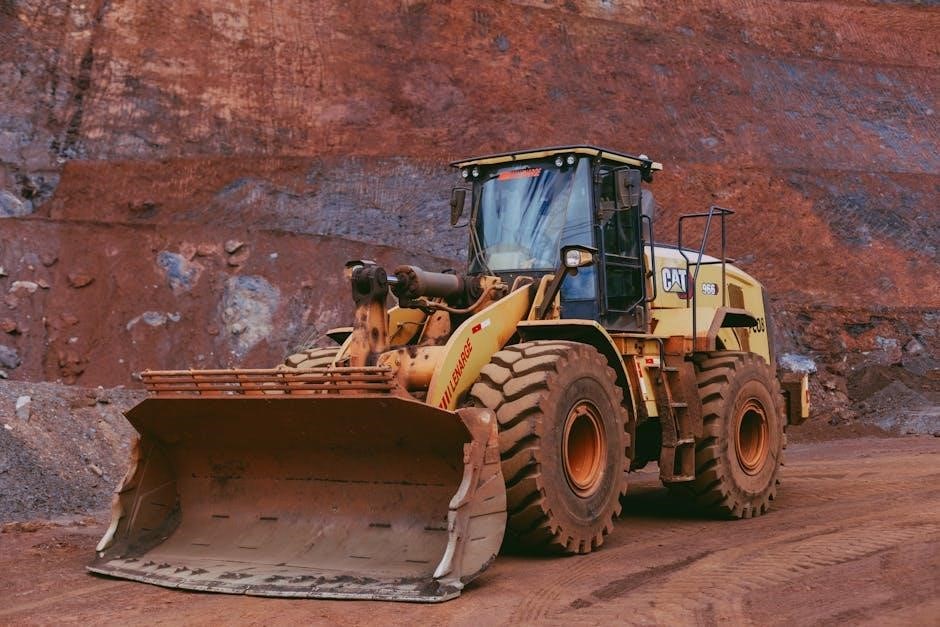
Users have inquired about ordering from mining-center, highlighting the importance of verifying vendor reputation and product availability before making purchases. Considering the fluctuating market, securing GPUs like the RX 580 Armor 8GB or RX 470 4G requires diligent searching and comparison.
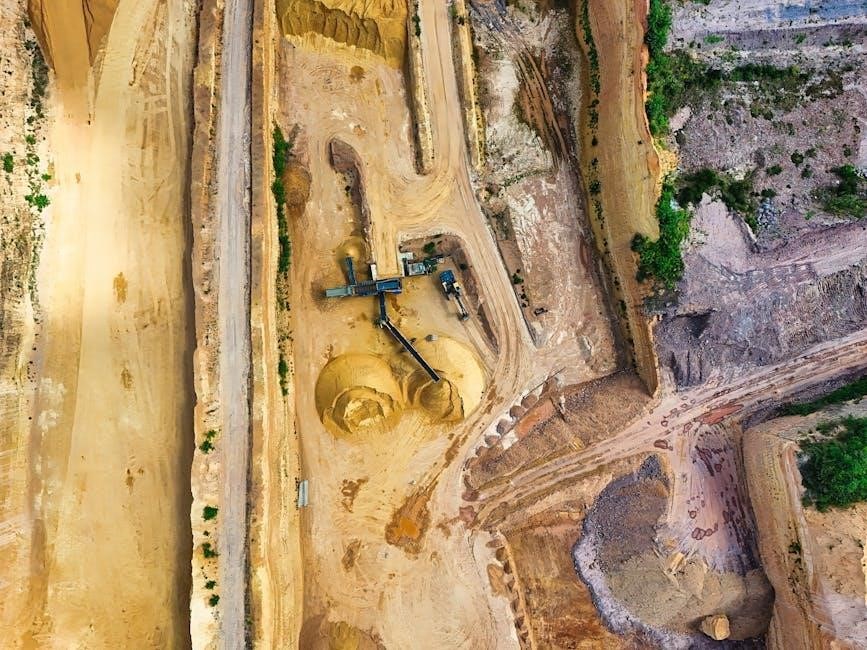
Whether you’re seeking an ASIC miner like the M31S or replacement parts for existing hardware, mining-center can be a potential resource. Always research specific models and compare prices to ensure optimal value and compatibility with your mining setup.
Staying Updated on Mining News and Trends
The mining landscape is dynamic, demanding continuous learning and adaptation. Staying informed about emerging trends, algorithm changes, and hardware advancements is crucial for maximizing profitability and navigating challenges like those encountered in a “Mining Cataclysm.”
MiningClub.info serves as a valuable hub for miners, offering forums and discussions where users share insights, troubleshoot issues, and report on the latest developments. Regularly monitoring such communities provides real-time updates and practical advice.
Keep abreast of news regarding raw material supply, as mining relies heavily on a functioning supply chain. Understanding sustainability practices and world mining data, as provided by resources like the Federal Ministry of Finance, offers a broader perspective. As of March 16, 2026, vigilance is key.
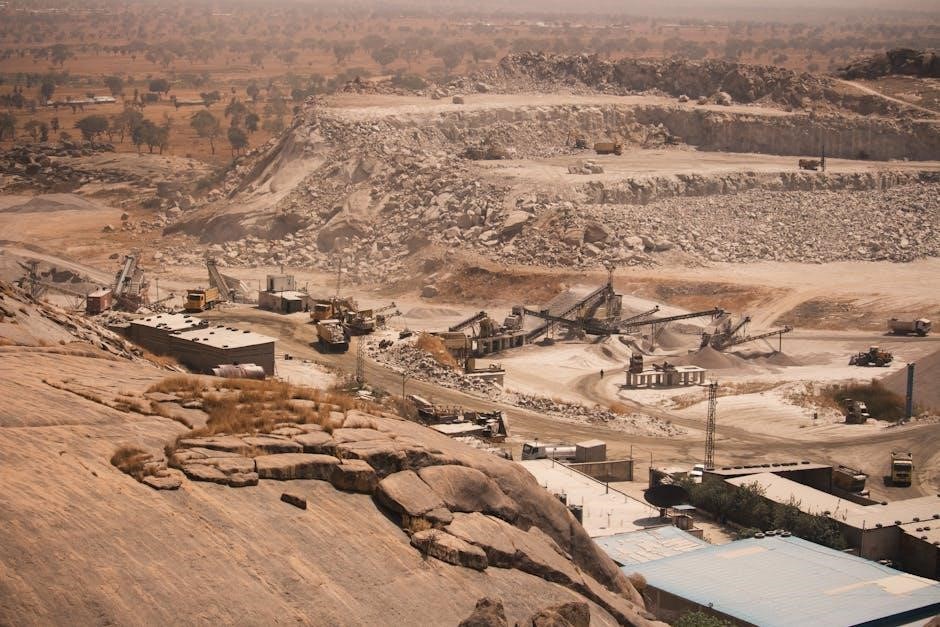
Sustainability and Future Trends
Mining’s future hinges on sustainable practices and responsible raw material sourcing. Balancing economic needs with environmental concerns is paramount for long-term viability.
The Role of Mining in Raw Material Supply
Our modern society is fundamentally reliant on a consistent and robust supply of raw materials, and mining operations are central to securing these essential resources. From the components in our electronic devices to the infrastructure supporting our cities, nearly everything originates from materials extracted through mining processes.
The mining sector, increasingly driven by principles of sustainability, strives to balance economic demands with environmental responsibility. World Mining Data, a public service provided by entities like the Federal Ministry of Finance, highlights the critical importance of this industry.
However, the industry faces ongoing challenges related to resource depletion, environmental impact, and the need for innovative, sustainable extraction methods. Ensuring a secure and ethically sourced supply chain is vital for future technological advancements and global economic stability.
Sustainable Mining Practices
The future of mining hinges on the adoption of truly sustainable practices that minimize environmental impact and maximize resource efficiency. This involves a shift towards responsible extraction techniques, including reducing water and energy consumption, minimizing waste generation, and rehabilitating mined land.
Innovative technologies, such as precision mining and advanced ore sorting, play a crucial role in optimizing resource utilization and reducing the overall footprint of mining operations. Furthermore, prioritizing worker safety and engaging with local communities are integral components of a sustainable approach.
Transparency and traceability throughout the supply chain are also essential, ensuring that materials are sourced ethically and responsibly, aligning with global sustainability goals and responsible resource management.
World Mining Data and Resources
Access to comprehensive and reliable world mining data is paramount for informed decision-making within the industry. The Federal Ministry of Finance (BMF) provides publicly available data, though it’s important to note this doesn’t necessarily reflect official BMF viewpoints. This data encompasses a wide range of minerals and resources, detailing production volumes, reserves, and geographical distribution.
Understanding these resources is crucial for assessing supply chain vulnerabilities and anticipating future demand. Analyzing trends in mining output helps identify potential shortages and informs investment strategies. Furthermore, data on sustainable mining practices and environmental impact is increasingly vital for responsible resource management.
Staying informed about global mining data is essential for navigating the complexities of the modern mining landscape.